Kilimanjaro Trek
Upcoming Trek Dates
$3880
October 1 - 10, 2026
October 1 - 10, 2027
(payment plan available)
Trip Length
10 Days
Group Size
4-10
Don’t see the dates you are looking for?
Email us and we can arrange a private tour.

Kilimanjaro Trek: Lemosho Route
Get ready for the adventure of a lifetime.
Experience the vibrant landscapes and culture of Tanzania.
10 Days/9 Nights
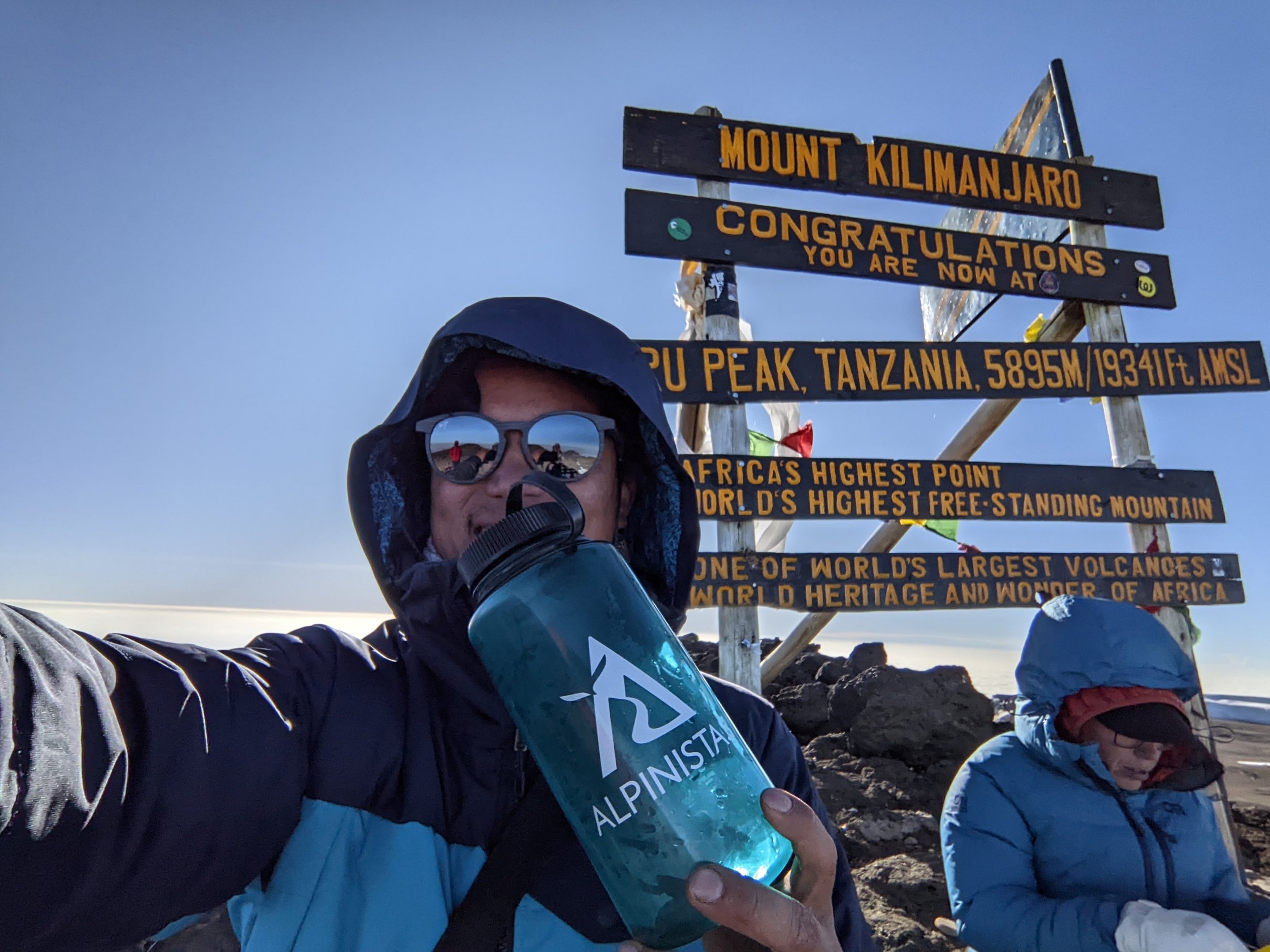
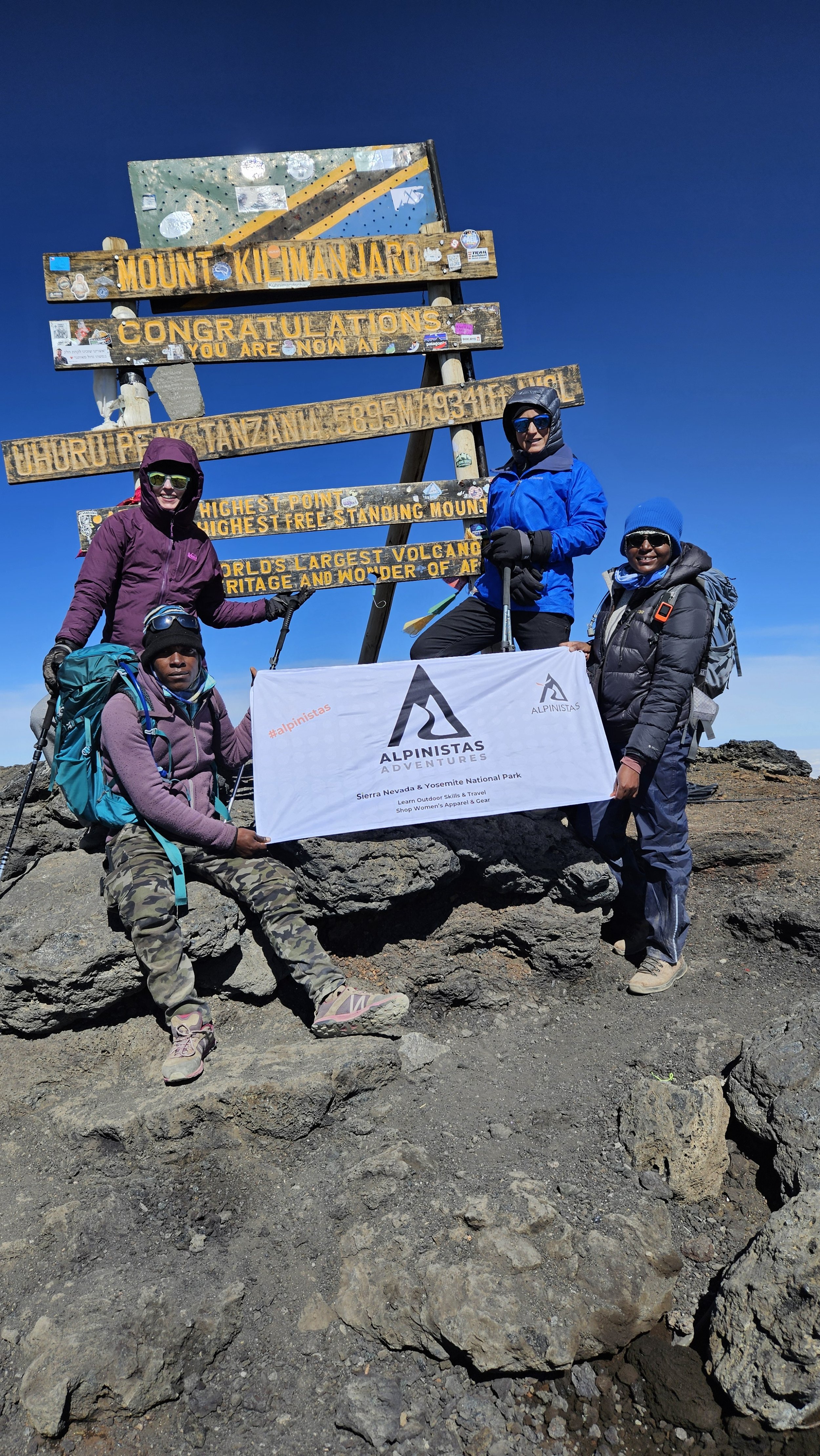
Join an all-female team to summit Kilimanjaro, the highest mountain in Africa, supported by Tanzania’s top female guides and female porters.
-
Trekking: Hiking uphill over the course of several days, high elevation
This trip is rated Intermediate. Participants should have ample hiking experience and good fitness. A fitness training program is recommended.
Our pace will be a slow, mountaineering style to allow for adequate acclimatization and less stress.
-
Trip Package Includes:
All ground transportation.
All female team of guides with English speaking lead and support staff with Wilderness First Responder medical training. Porters and assistants may include males.
All permits and park fees.
All meals, snacks and non-alcoholic beverages throughout the trip.
9 nights of lodging with 2 nights in lodge in Arusha (double occupancy) and 7 nights of camping.
Camping equipment: Two person tent, sleeping foam mat, pillow, dining tent and chairs, hot water wash basins and private portable toilet, toilet paper.
Medical and expedition safety equipment along with Diamox, if needed.
Free WIFI, when available.
Free access to our online community
American Alpinistas Host to offer training support & virtual meetings to help prepare you for your trip.
Free training plan
and more…..
Not included:
International Airfare to/from Kilimanjaro International Airport
Trip and Rescue Insurance (Required)
Personal Equipment (can be rented through Alpinistas)
Visa for entry into Tanzania

Travel to Kilimanjaro on this Trip of a Lifetime!
Join this bucket list adventure ascending to the top of Africa via the Shira route to summit Mt. Kilimanjaro.
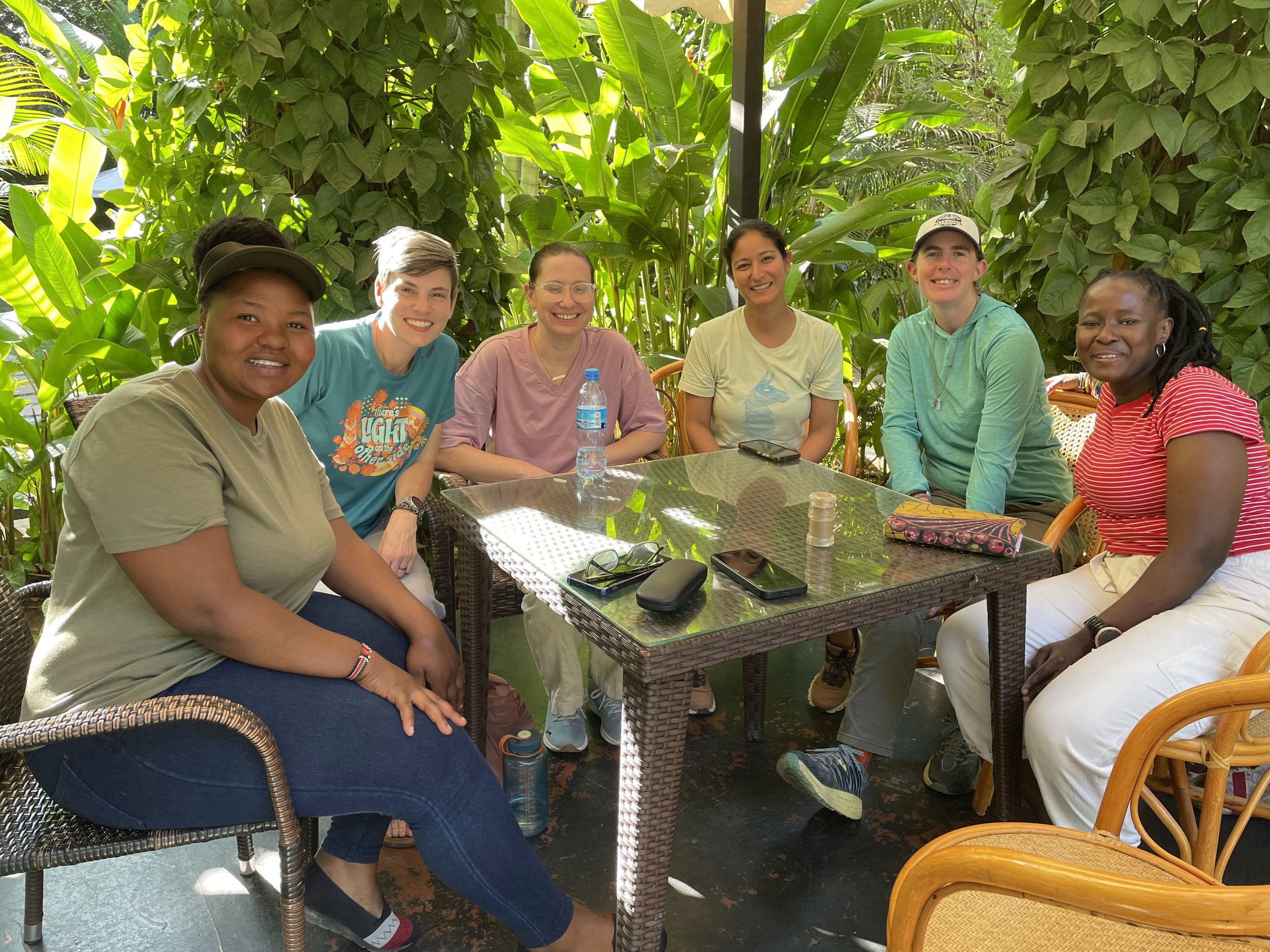
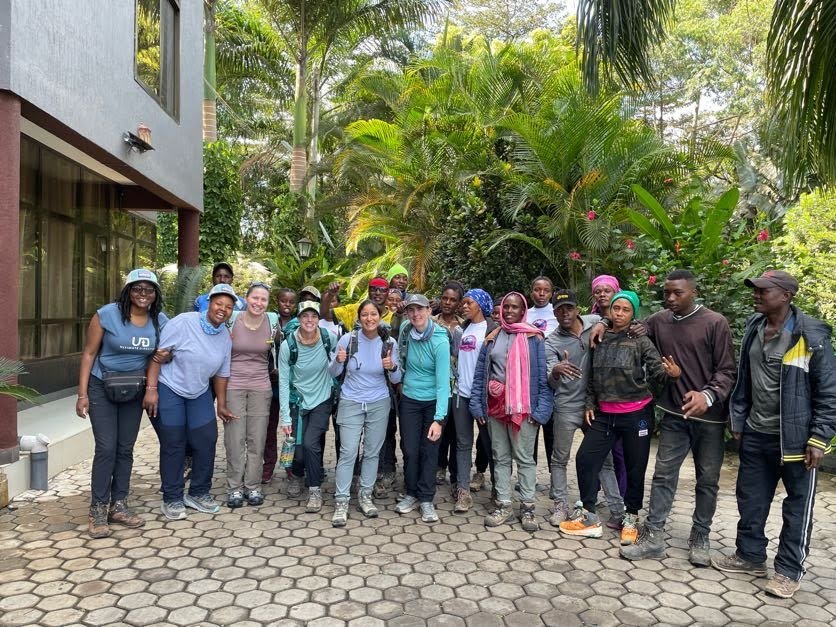
We’re partnering with an entirely female-led Tanzanian guide team supported by a female team of porters. You’ll even be additionally assisted by an American female Alpinistas Host on the trek.
Alpinistas is one of only two operators offering expeditions in Kilimanjaro that utilize a completely all-female guide and porter team!
We chose the Lemosho route - our guide’s favorite route for a high summit success rate, ample acclimatization, a non-technical route and beautiful views.
When you travel with Alpinistas, you get a whole host of complimentary benefits in addition to the trip of a lifetime!
Free access to our online community
American Alpinistas Host to offer training support & virtual meetings to help prepare you for your trip.
Free training plan
and more…..
Kilimanjaro Itinerary
-
![]()
Day 1
Arrival
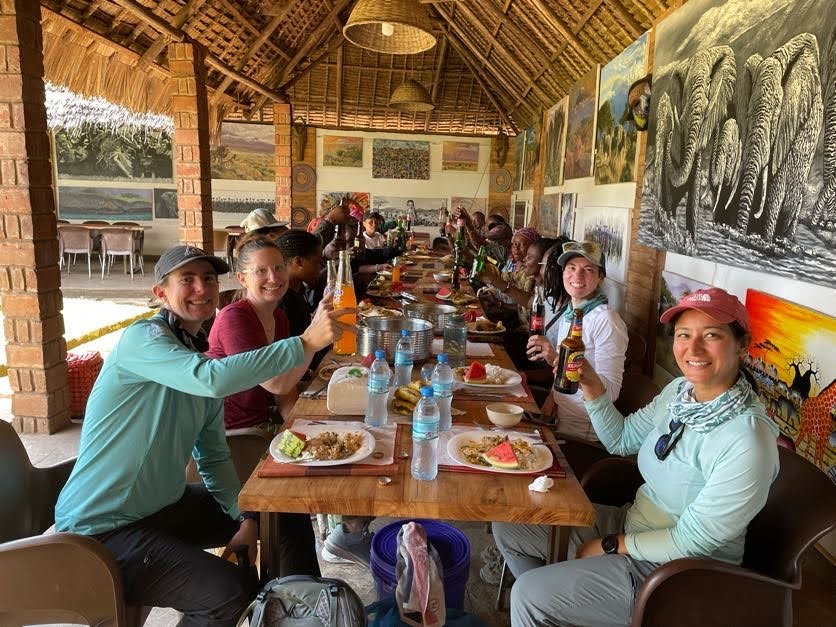
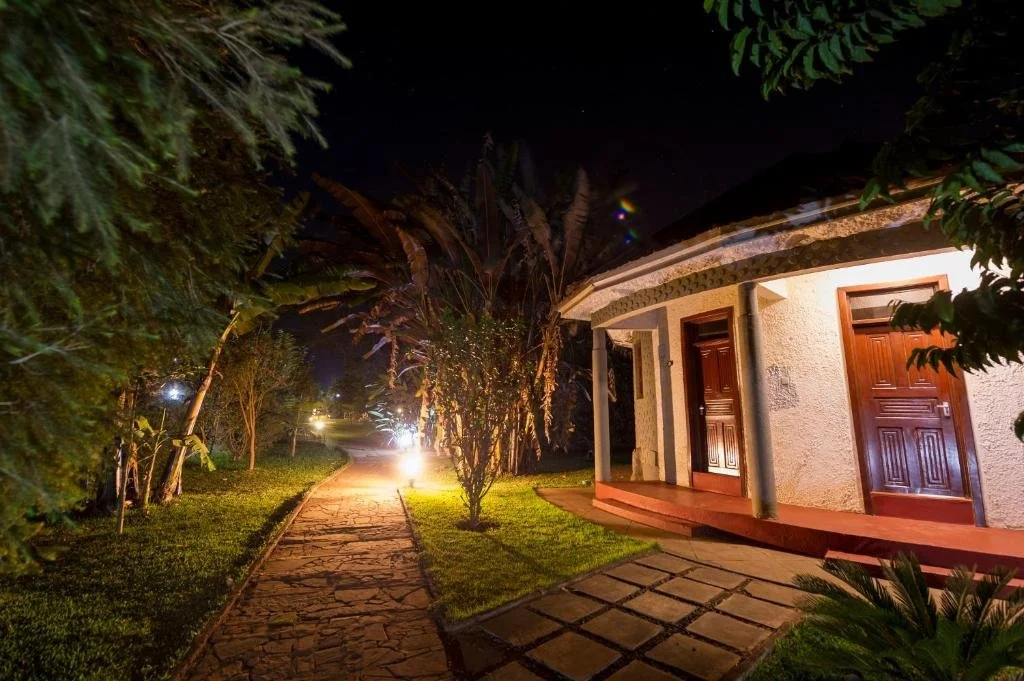
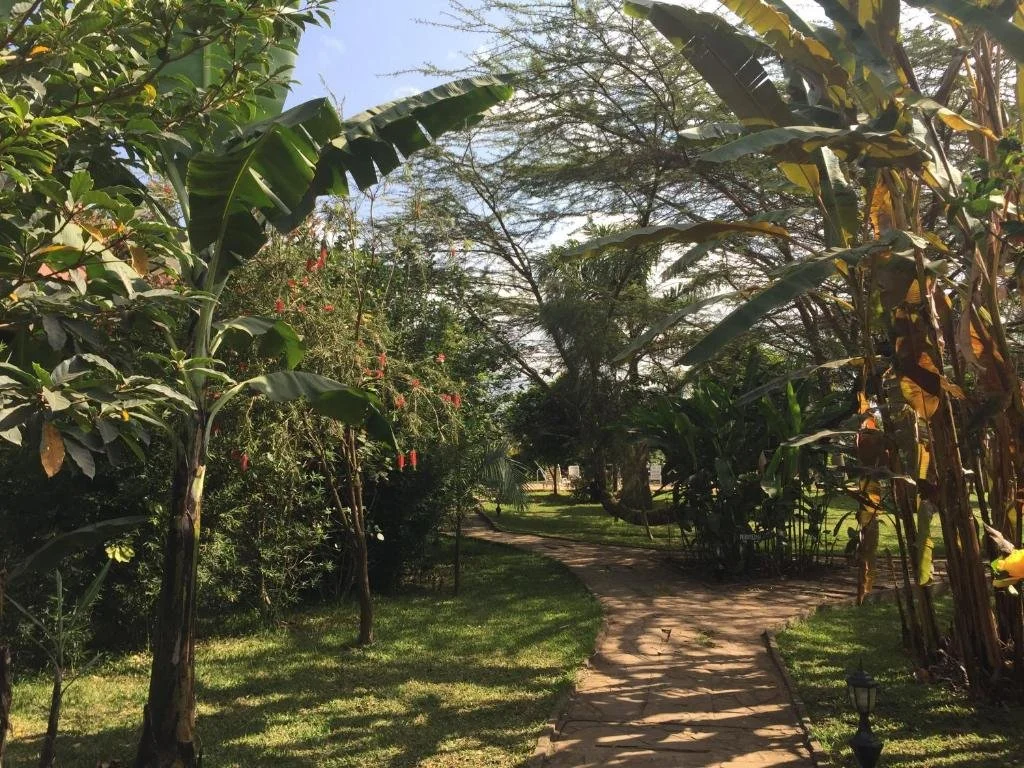
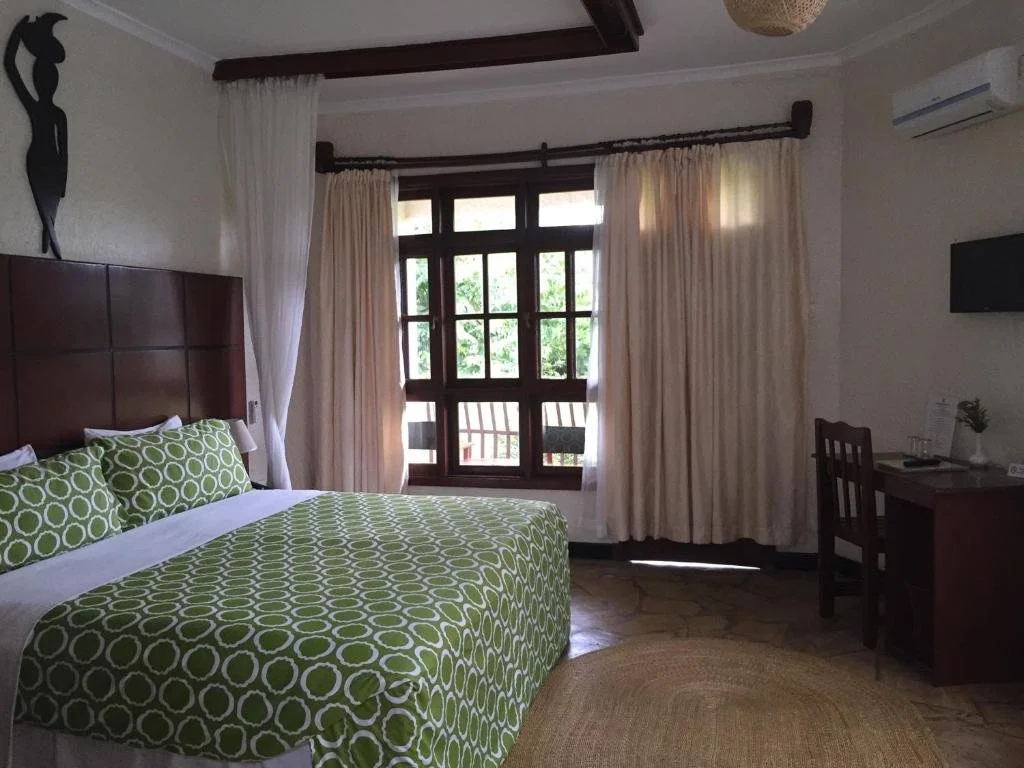
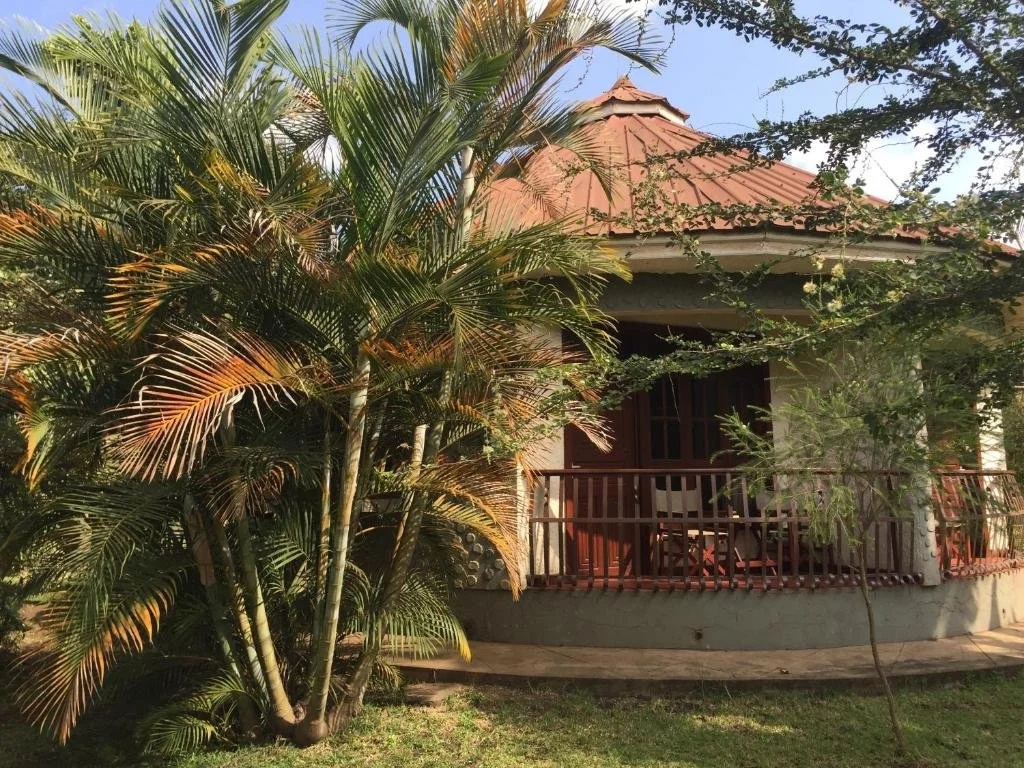
After a long flight, you’ll be greeted on your arrival in Moshi and transported to your hotel. Your American Alpinistas Adventures Host will be there to welcome you. You’ll have time to unpack and relax at the B&B.
Our local Tanzanian guides will take some time to check our gear and answer last minute questions.
Once everyone has arrived, we’ll all enjoy a Tanzanian welcome dinner and get to know each other!
-
![]()
Day 2
Lemosho Gate to Big Tree Camp
We’ll enjoy an early breakfast at the hotel and then our guides will pick us up to drive to Lemosho Gate. We will get signed in to the National Park and start off with a short hike.
Your guide will take you through the lush nature of the rain forest and its fascinating flora and fauna. You will see Colobus and Blue Monkeys hanging and jumping from tree to tree.
- hiking distance: 4 miles
- hiking time: 3-4 hours
- altitude gained: 1,300 ft
- habitat: rain forest
- meals included: lunch box, hot dinner
-
![]()
Day 3
Big Tree Camp to Shira 1 Camp
Today we will continue walking through the rainforest with its high trees and soft ground. We will reach the moorland zone with its shorter trees and enjoy the amazing views.
The hike will take you up and down the ridge of the Shira plateau and finally lead you to the next Camp.
You will get a hot lunch during the day as well as a hot dinner before you rest at the camp.
- hiking distance: 5.5 miles
- hiking time: 5-6 hours
- altitude gained: 2,359 ft
- habitat: heather moorland
- meals included: breakfast, hot lunch, hot dinner
-
![]()
Day 4
Shira Camp 1 to Shira Camp 2
After having breakfast we will leave camp to hike up to Lava Tower. Today’s hike starts at a higher elevation, however, it is a short one.
Throughout the hike you will encounter impressive Giant Senecio, Stoebe Kilimanjari, and Lobelia that are some of the few plants and trees that can survive and thrive in this harsh environment.
We will stop to eat lunch along the way, making our way up to Shira Camp 2 for the night. Shira Camp 2 offers impressive sunsets so we’ll make sure to enjoy the views.
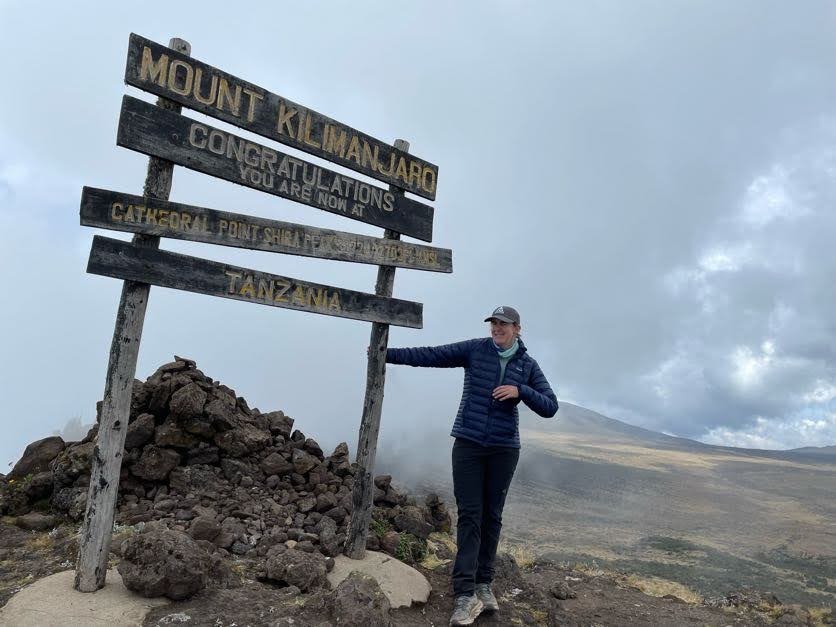
This day will be an easy going day and if the weather is clear we will take you to beautiful Cathedral point where you can enjoy the magnificent view and give your body the chance to acclimatize.
- hiking distance: 5 miles
- hiking time: 4-5 hours
- altitude gained: 970 ft
- habitat: moorland
- meals included: breakfast, hot lunch, hot dinner
-
![]()
Day 5
Shira Camp 2 to Lava Tower tp Barranco Camp
We’ll hike towards the Lava Tower, a 300 foot tall volcanic rock formation. This volcanic rock is easy to climb and the views are amazing. Get ready for picture time! By the time we get to camp, we’ll have lunch and rest.
That afternoon, we’ll do an acclimatization hike up to a higher elevation but return back to camp for the night. This afternoon hike will benefit our bodies and help us to prepare for the higher elevation tomorrow. We’ll have dinner and get more rest.
- hiking distance: 6.2 miles
- hiking time: 6-7 hours
- altitude gained: 2,300 ft
- habitat: alpine desert / moorland zone
- meals included: breakfast, hot lunch, hot dinner
-
![]()
Day 6
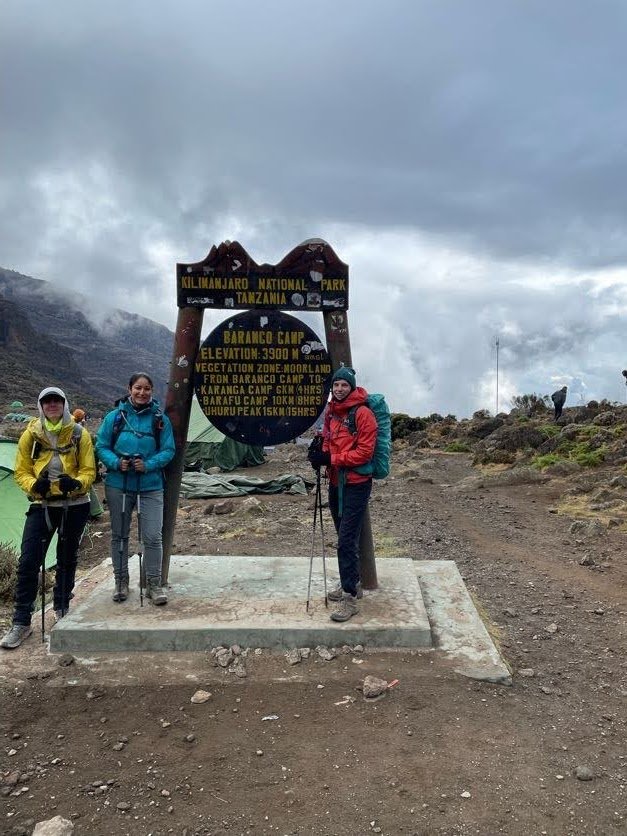
Barranco Camp to Karanga Valley Camp
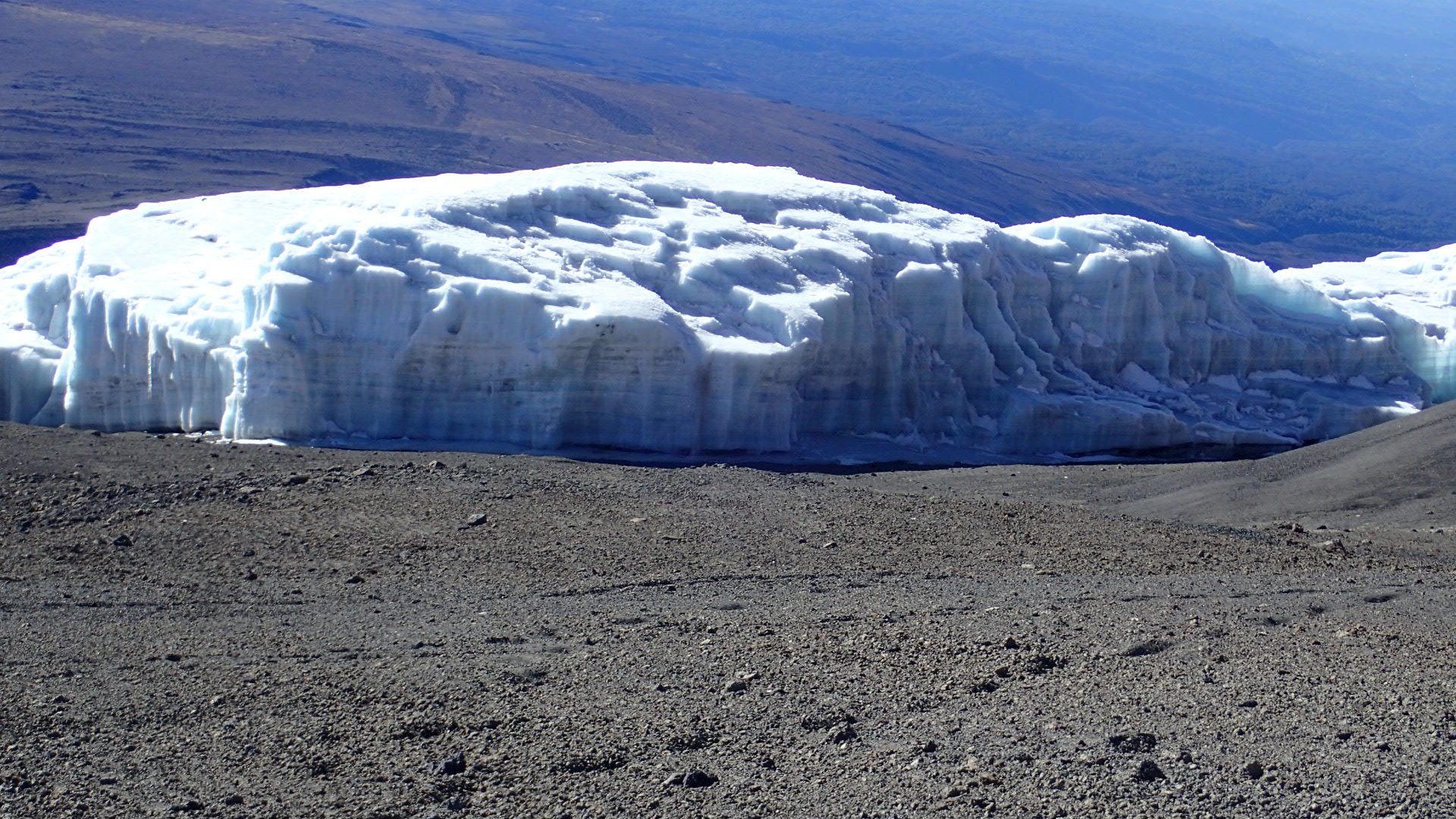
To the north we go! You will pass through the Breakfast Wall or affectionately called, kissing rock, to see a view of a spectacular glacier.
Once reaching Karanga Camp, we’ll be served lunch and spend the rest of the day relaxing. If the skies are clear, we’ll have perfect views of the summit of Kilimanjaro. This will be the time to rest up and mentally prepare for the higher elevation tomorrow.
- hiking distance: 3.1 miles
- hiking time: 3-4 hours
- altitude gained: 1110 ft
- habitat: alpine desert
- meals included: breakfast, hot lunch, hot dinner
-
![]()
Day 7
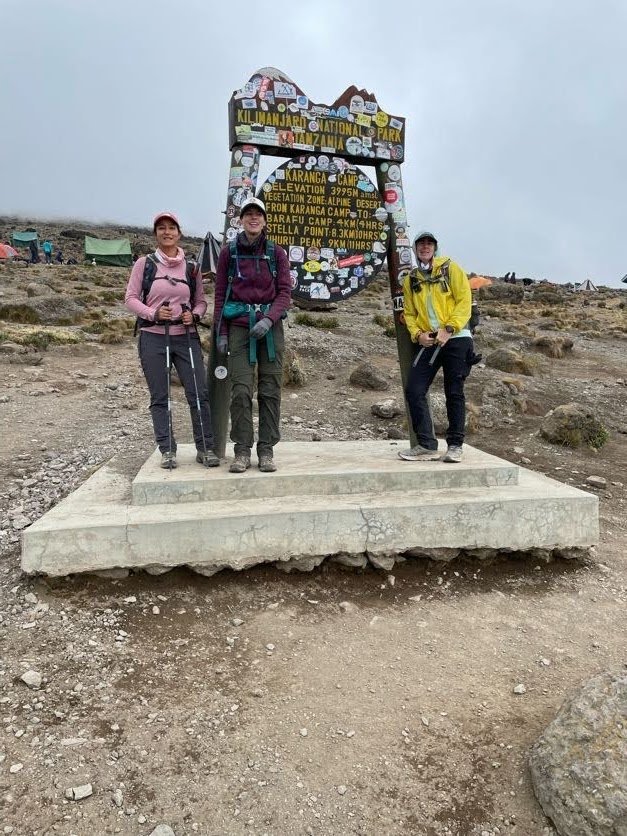
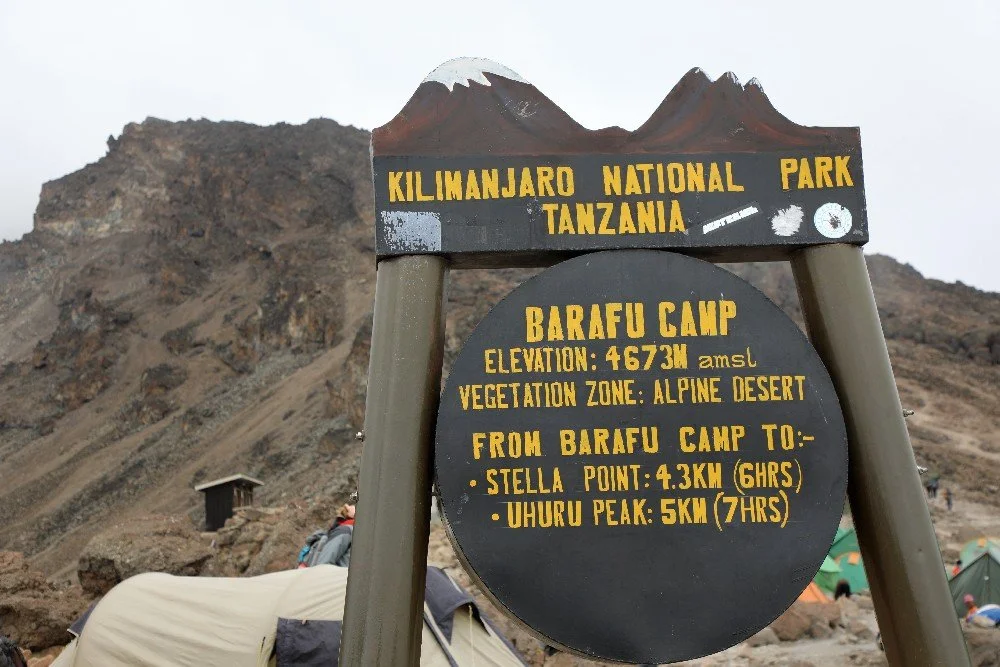
Karanga Camp to Barafu Camp
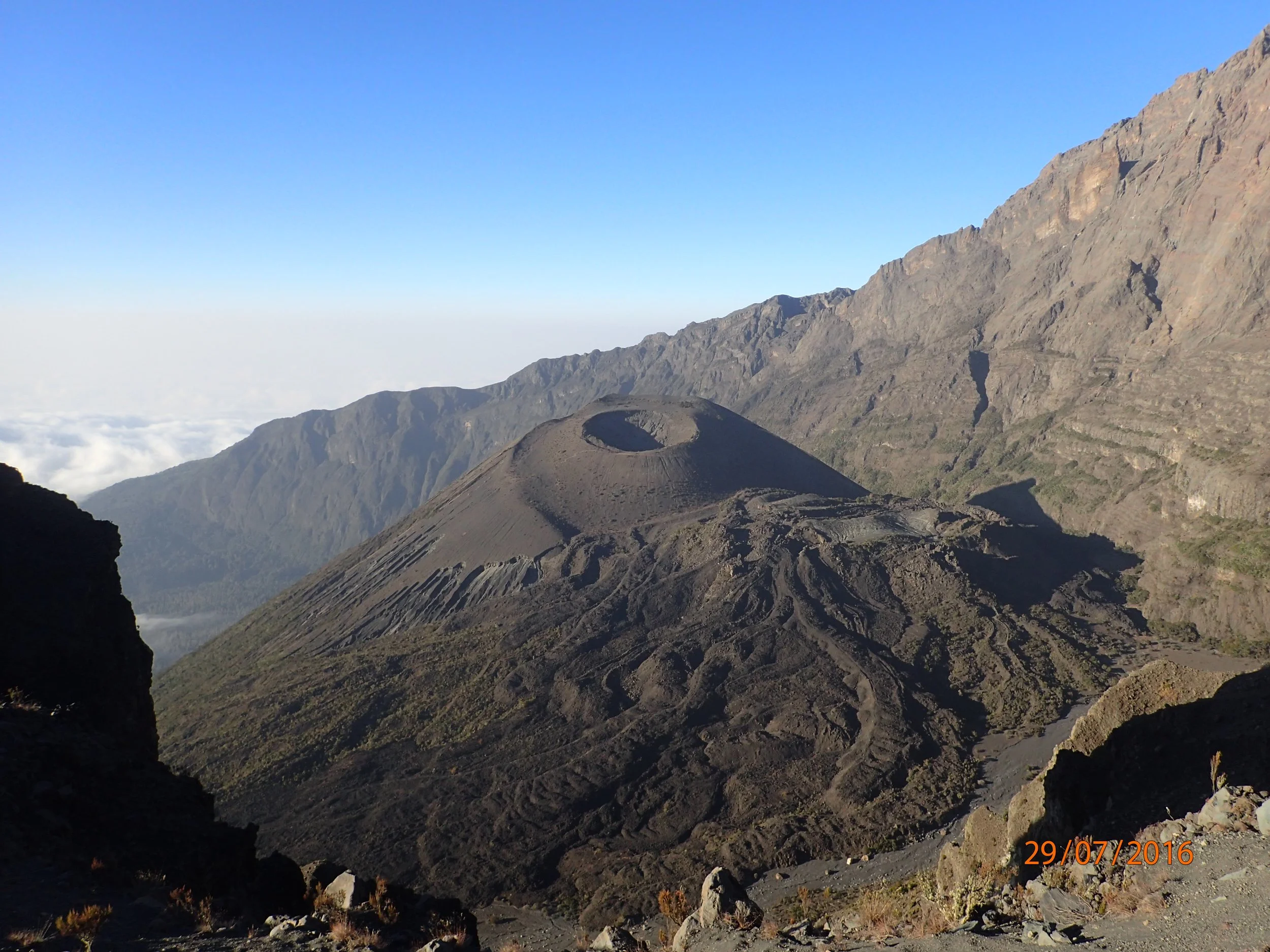
Today will be a short hike through the high desert landscape heading up to Barafu Camp. This arid elevation can be windy and cold. We might potentially encounter snow.
We’ll get in early to Barafu Camp and spend a lot of time relaxing and recharging for tomorrow will be summit day!
- hiking distance: 3.1 miles
- hiking time: 3-4 hours
- altitude gained: 2,220 ft
- habitat: alpine desert
- meals included: breakfast, hot lunch, hot dinner
-
![]()
Day 8
Summit Day!
We’ll be leaving camp very early, before sunrise, after a quick breakfast. This will be the most challenging part of the trip as it will be very cold and windy.
Our slogan is “pole pole” (“walk slow”), so you will have some short breaks to make you drink lots of water and some ginger tea from time to time to prevent altitude sickness. On Lemosho Route your body got the best preparation and acclimatization, so it is very likely to reach the summit without any symptoms.
After many photos on the top, we’ll head back to camp for another morning meal and rest. We’ll then start our descent down to Millennium Camp.
- hiking distance: 11.8 miles
- hiking time: 13-14 hours
- altitude gained: 4,010 ft
- descended altitude: 6,380 ft or 9,170 ft
- habitat: arctic ice zone, alpine desert, moorland
- meals included: breakfast, hot lunch, hot dinner
-
![]()
Day 9
Head on Down!
From Millennium Camp, we’ll head down to Mweka Gate while traveling through the rainforest. We’ll receive our certificates of ascent from the Kilimanjaro National Park.
Our 4x4s will be there to take us back to our B&B. An overdue shower and rest by the pool will be well deserved. We’ll celebrate our amazing accomplishment together at a farewell dinner.
- hiking distance: 8 miles
- hiking time: 5-6 hours
- descended altitude: 7,600 ft or 4,820 ft
- habitat: rainforest
- meals included: breakfast, hot lunch
-
![]()
Day 10
Departure
We’ll share a last breakfast together and celebrate our Tanzanian journey before we all head off to our next adventure (or home).
If you are joining the safari add on, you’ll be met by our Kilimanjaro guide. Further details on this segment provided below.






ADDITIONAL TRAVEL BENEFITS:
This trip is loaded with tons of Alpinistas Adventures support.
You will have a female US-based Alpinistas trip host helping to prep you for you Tanzania travel.
Free access to the Alpinistas online community where you will be a member of the Kilimanjaro private group to chat with fellow trip attendees beforehand.
Access to the Kilimanjaro private group will also provide you with a direct connection to the Alpinistas trip host for 1-1 questions or other advice.
Extensive gear list and FAQs to ensure that you are dialed in with the right gear for success.
Support from USA based team to help with flight scheduling and logistics.
Discount from the Alpinistas store to help you secure new gear for this epic adventure.
Access to Alpinistas leadership from booking deposit through expedition.
Expedition kickoff monthly video call meetings happening monthly for the 4 months leading up to your trip.
PLUS - a free Kilimanjaro basic training plan to get your fitness up to par to help with summit success.
What our Alpinistas Host has to say:
"Tanzania is one of the most beautiful and exciting places that I've traveled. The combination of the stunning and unique landscapes, diverse wildlife, and vibrant and warm culture will make it a place that sticks with you forever."
- Emily

Keep your adventure going!
Add on an optional African safari excursion.
Email us for details.

Optional Safari Itinerary
-
![]()
Day 11 & 12
Lake Manyara & Ngorongoro Crater
Our Tanzanian guides will meet us at the hotel after breakfast to take us further into the wild of Northern Tanzania.
We’ll head to Lake Manyara National Park to explore the animal kingdom by game drive.
This area is known for flamingos and lions. Lunch will be served picnic style within the park.
The next day will be spent exploring Ngorongoro Crater for even more amazing wildlife sightings. We’ll even spot some hippos
The night will be spent at the Ngorongoro Farm House, a working plantation. You’ll have a comfortable stay and feel immersed in nature.
-
![]()
Day 13 & 14
Serengeti National Park
We’ll head out towards Serengeti National Park into the heart of African wild and Maasai land. This is one of the world’s most famous wildlife destinations.
We’ll be heading in to a small safari camp for the night. Enjoy two days of unlimited game drives in this secluded area of the park.
You’ll see endless wildlife during the day and be immersed in the sounds of nature at night, while safely tucked away at your comfortable camp.
The night is spent at Kiota Camps Serengeti, an upscale private tent experience with electricity and on-site chef.
-
![]()
Day 15 & 16
Depart to Moshi
The morning will be spent on another game drive visiting a herd want to see again or exploring new territory.
You’ll head back to Moshi for your final night stay at the hotel.
The morning will offer your last breakfast before you depart to the airport and make your way back home.


Safari Excursion Includes:
Lodging for 5 nights: 1 night in Moshi, 2 nights in Serengeti National Park and 2 nights at Ngorongoro Crater.
All meals, snacks and non-alcoholic beverages.
Safari fees.
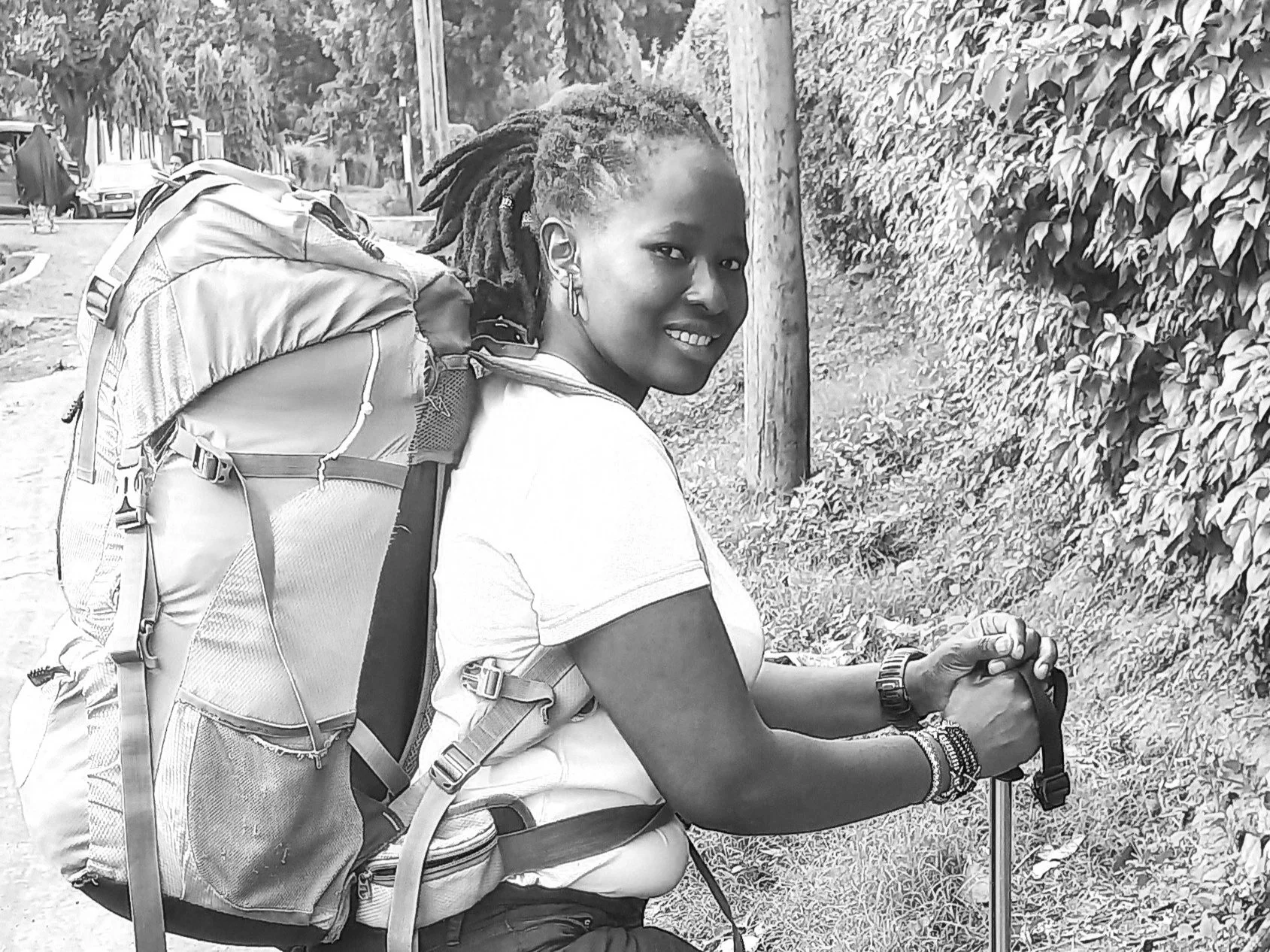
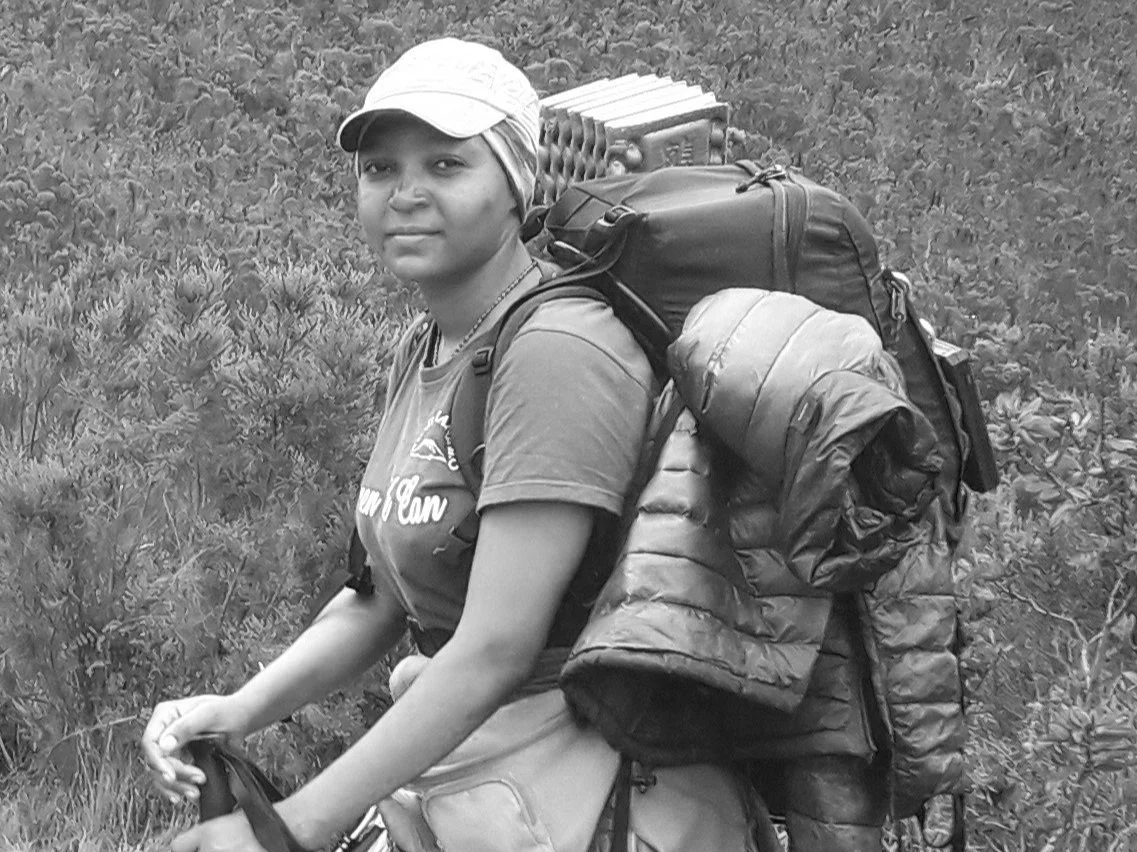
Your Kilimanjaro Trekking Guides
-
![]()
Ekeney
-
![]()
Janeti
-
![]()
Happiness

Have any other questions?
Email or call us to connect with one of our travel experts.
Frequently Asked Questions
-
Yes. Many first-time trekkers successfully summit Mount Kilimanjaro. Kilimanjaro is not a technical climb, which means you do not need ropes, climbing experience, or mountaineering skills. However, it is still a serious high-altitude trek. Long hiking days, changing weather, and altitude make preparation important. With a good training plan, slow pacing, and a route designed for acclimatization, healthy beginners can be successful. Alpinistas Adventures provides a training plan before departure so you have time to prepare.
-
Kilimanjaro is considered a non-technical trekking peak, but that does not mean it is easy. The main challenges are altitude, long hiking days, variable mountain weather, and summit night. Most days involve steady hiking at a slow pace, while summit day is typically the hardest because you climb through the night to reach Uhuru Peak. You do not need technical climbing skills, but you do need endurance, patience, and the ability to keep moving for several hours at altitude.
-
The most common Kilimanjaro costs travelers forget to budget for are international flights, travel insurance, rescue coverage, tips for the mountain crew, gear purchases or rentals, visas, vaccines or medications, and personal spending money. When you book with Alpinistas Adventures, porter support, guides, permits, park fees, meals on the mountain, and mountain logistics are built into the trip price. We will help you understand what is included and what you should budget for separately before departure.
-
You do not need to arrange your own Kilimanjaro permits when you book with Alpinistas Adventures. Our licensed Tanzanian partner handles the required national park permits, park fees, camping or hut fees, and mountain logistics. Kilimanjaro is a regulated national park, and climbers must be part of a licensed guided trek. Your permit and park entry requirements are included as part of your Alpinistas Adventures expedition.
-
Yes. Tanzanian regulations require climbers to be accompanied by a licensed Kilimanjaro guide. Independent or unguided trekking is not permitted. A proper Kilimanjaro team includes licensed guides, assistant guides, cooks, and porters who support the expedition. When you join an Alpinistas Adventures Kilimanjaro trek, your local guide team, permits, porter support, meals, safety monitoring, and mountain logistics are coordinated for you.
-
Porter service is included when you book your Kilimanjaro trek with Alpinistas Adventures. Porters carry expedition equipment, food, group gear, and a portion of each guest’s duffel bag. You will still carry a daypack with water, snacks, layers, rain gear, and personal items needed during the day. Porter support makes the trek safer and more manageable while also supporting local mountain jobs when handled responsibly.
-
The best Kilimanjaro training includes hiking, cardiovascular endurance, leg strength, core strength, and practice hikes with a loaded daypack. Most trekkers benefit from 8–12 weeks of consistent preparation, though more time is helpful if you are starting from a lower fitness base. Alpinistas Adventures provides a structured training plan approximately four months before the trip so you have ample time to prepare. The goal is not speed; the goal is steady endurance, strong legs, and comfort hiking for multiple days in a row.
-
Packing for Kilimanjaro requires layers for warm lower elevations, cold alpine zones, rain, wind, and freezing summit conditions. Essential items include broken-in hiking boots, moisture-wicking base layers, insulating layers, a warm down or synthetic jacket, rain gear, gloves, warm hat, sun protection, headlamp, sleeping bag, trekking poles, and a comfortable daypack. Alpinistas Adventures provides a detailed packing list before departure so you know exactly what to bring and what can be rented if needed.
-
Altitude sickness is the primary health concern on Kilimanjaro. Even very fit hikers can experience symptoms because altitude affects people differently. Mild symptoms can include headache, nausea, fatigue, dizziness, or loss of appetite. Severe altitude illness is serious and may require immediate descent. Our guide team monitors guests throughout the trek and carries appropriate mountain safety resources. Before traveling, we recommend speaking with your doctor about altitude medication such as Diamox and whether it is appropriate for you.
-
No. Good fitness helps with endurance, but it does not prevent altitude sickness. Acclimatization, hydration, nutrition, sleep, pacing, and itinerary length matter more than pure fitness when it comes to altitude. A strong hiker can still develop altitude symptoms, while a slower hiker may acclimatize well. Our Kilimanjaro trek is intentionally paced slowly to give your body time to adjust and to support the best possible summit outcome.
-
There is no truly “easy” Kilimanjaro route because all routes reach high altitude. However, some routes offer better acclimatization profiles and more gradual ascent. Lemosho and Northern Circuit are often favored for scenery and acclimatization. Rongai has a gentler approach from the north. Marangu offers hut accommodations but is often associated with lower summit success because many itineraries are shorter. Umbwe is steeper and more challenging. Alpinistas Adventures chooses routes that balance scenery, safety, acclimatization, and summit success.
-
Yes. Travel insurance is strongly recommended and may be required for your Kilimanjaro trek. Your coverage should include high-altitude trekking, emergency medical care, evacuation, trip cancellation, delays, and lost baggage. Many standard travel insurance policies do not automatically cover trekking at Kilimanjaro’s elevation, so you must read the policy carefully. You may also need separate rescue coverage. Alpinistas Adventures provides resources to help you understand what to look for before purchasing a policy.
-
No. Solo, unguided trekking is not allowed on Mount Kilimanjaro. All climbers must be accompanied by a licensed guide through a registered operator. You may travel to Tanzania solo and join a guided group trek, which is a great option for people who do not have friends or family available to join them. Alpinistas Adventures welcomes solo travelers on our group expeditions.
-
Item description
-
If you become sick on Kilimanjaro, the guide team will assess your symptoms and determine the safest course of action. Mild symptoms may be managed with rest, hydration, food, slower pacing, and monitoring. More serious symptoms may require descent. Severe altitude illness is treated as an emergency and may require evacuation. This is why proper travel insurance and rescue coverage are important. Your safety comes before reaching the summit.
-
The biggest mistakes are choosing an itinerary that is too short, rushing the pace, ignoring altitude symptoms, undertraining, overpacking, and failing to budget for tips or proper gear. Kilimanjaro rewards patience. A slower pace, good preparation, smart layering, and honest communication with your guides can make a major difference. Summit success is not just about being fit; it is about giving your body time to adapt.
-
Mount Kilimanjaro is 19,341 feet, or 5,895 meters, above sea level. The summit, Uhuru Peak, is the highest point in Africa. Because Kilimanjaro rises to such a high elevation, altitude is the biggest challenge for most trekkers. You do not need technical climbing skills to reach the summit, but you do need to respect the elevation and prepare for cold, thin air near the top.
-
Temperatures on Kilimanjaro vary widely by elevation and time of day. Lower elevations can be warm and humid, while higher camps and summit night can be very cold. On summit night, temperatures can drop below freezing and may feel colder with wind. Climbers should be prepared with warm layers, gloves, a hat, insulated jacket, rain gear, and a properly rated sleeping bag.
-
There are basic public toilets at camps along the Kilimanjaro routes. Conditions vary and can be very rustic. Depending on the expedition setup, private toilet tents may also be available or included. We will let you know what to expect before departure so you can pack personal hygiene items such as hand sanitizer, toilet paper, wipes, and small waste bags.
-
Tipping is customary on Kilimanjaro and is an important part of supporting the local mountain crew, including guides, assistant guides, cooks, and porters. The amount depends on group size, route length, and operator recommendations. Many climbers budget a few hundred dollars in cash for tips. Alpinistas Adventures provides tipping guidance before departure so you know what to expect and can plan ahead.
-
There are no regular showers during the mountain portion of most Kilimanjaro treks. You should expect to use wet wipes, a small camp towel, and basic hygiene routines while on the mountain. Our crews may provide warm washing water in a private washing camp tent, but this is not the same as a shower. Most travelers shower before and after the trek at the hotel.
-
Charging access is very limited on Kilimanjaro. You should not rely on outlets during the mountain portion of the trek. Most climbers bring one or more power banks to keep phones, cameras, headlamps, and watches charged. Cold temperatures can drain batteries quickly, so it is helpful to keep electronics and power banks warm inside your sleeping bag or jacket pocket.
-
Cell service is available in some areas of Kilimanjaro, but it is inconsistent and should not be relied upon. Coverage may improve or disappear depending on route, elevation, weather, and carrier. You may be able to send occasional messages from certain camps, but you should prepare to be mostly offline during the trek. This is part of the experience.
-
Some climbers use Diamox to help reduce the risk or severity of altitude sickness symptoms, but it is a prescription medication and should be discussed with your doctor before travel. Alpinistas Adventures cannot give medical advice or tell you whether Diamox is right for you. We do recommend asking a healthcare provider about altitude medication, side effects, timing, and whether it makes sense for your health history.
-
Porters carry group gear, food, camp equipment, and a portion of your personal gear packed in a duffel bag. You will carry your own daypack with water, snacks, rain gear, warm layers, sun protection, and personal items needed during the hiking day. There are weight limits for porter-carried bags, so packing efficiently matters. We provide clear packing guidance before the trip.
-
Kilimanjaro can be climbed safely with proper preparation, a responsible itinerary, licensed guides, and strong altitude monitoring. However, it is still a high-altitude mountain and should be taken seriously. The main risks include altitude sickness, cold exposure, dehydration, stomach illness, and fatigue. Choosing a reputable guided operator, training ahead of time, purchasing proper insurance, and communicating symptoms early all help reduce risk.
-
Alpinistas Adventures offers a supportive, women-centered Kilimanjaro experience designed for trekkers who want strong logistics, thoughtful preparation, and an encouraging group environment. We partner with a licensed Tanzanian team that handles permits, guides, porters, meals, and mountain operations. Before departure, we help you prepare with training guidance, packing support, travel resources, and clear communication so you can show up confident and ready for the climb.
-
The best times to climb Kilimanjaro are usually during Tanzania’s drier seasons: January to March and June to October. These months tend to bring more stable weather, clearer views, and better trail conditions. April, May, and November are typically wetter months, which can mean heavier rain, muddier trails, and less predictable conditions. Mountain weather can still change at any time, so climbers should be prepared for sun, rain, wind, and cold temperatures even during the dry season.
-
We recommend choosing a Kilimanjaro itinerary that allows enough time for acclimatization. Routes of 7–9 days generally give trekkers a better chance of adjusting to altitude and reaching the summit safely. Shorter 5-day itineraries may look appealing, but they often have lower summit success rates because the body has less time to adapt. Alpinistas Adventures uses an itinerary designed to support a slow pace, better acclimatization, and a stronger overall summit experience.
